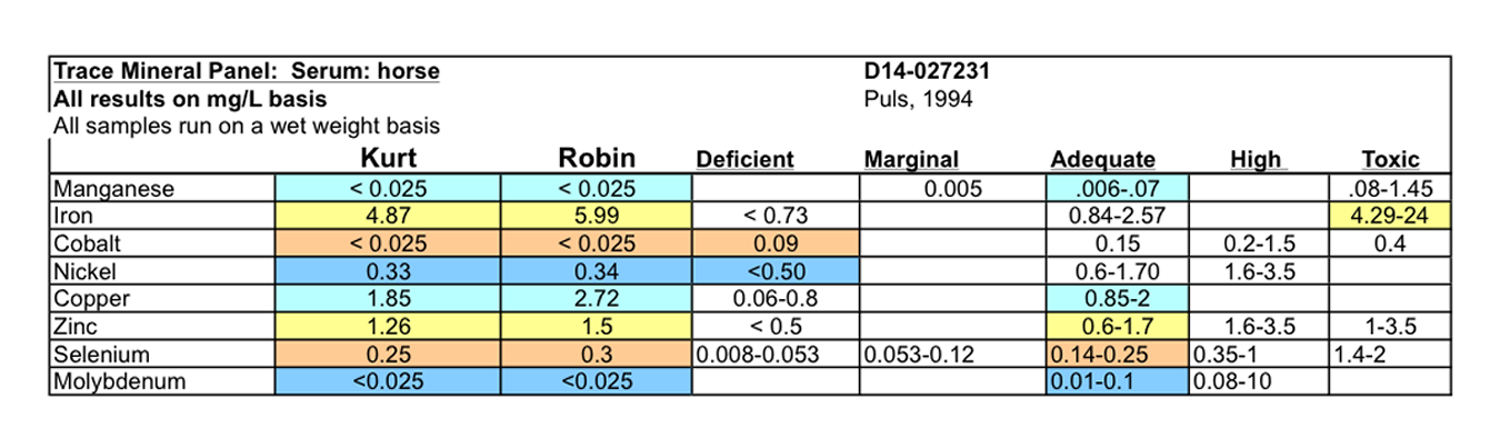
Furthermore forages pasture hay hay pellets or cubes are already high in iron making supplementation unnecessary and possibly dangerous.
Iron excess and laminitis.
Iron overload symptoms in horses are likely a combination of direct iron effects and induced secondary deficiencies of other minerals.
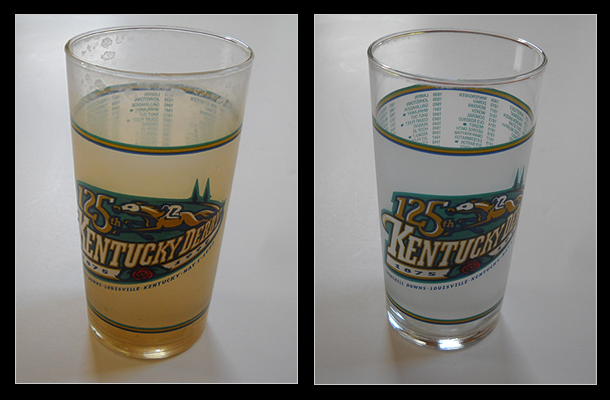
Dan pitzen a water expert in ohio published a report several years ago titled.
High levels of iron intake have also been associated with insulin resistance and laminitis in horses.
Iron is toxic to the liver hepatotoxic and vets have reported that excessive iron deposition in the liver is a common finding in liver biopsies from older horses.
The causes vary and may include the following.
I nerida don t know if this is the case but in reading human literature it seems the relationship between serum ferritin and inflammation is a bit of a case of chicken or the egg.
When anaemia is suspected blood should be looked at under the microscope and a cbc red and white blood cell count done and correctly interpreted to verify whether the horse.
Digestive upsets due to grain overload such as excess grain fruit or snacks or abrupt changes in diet.
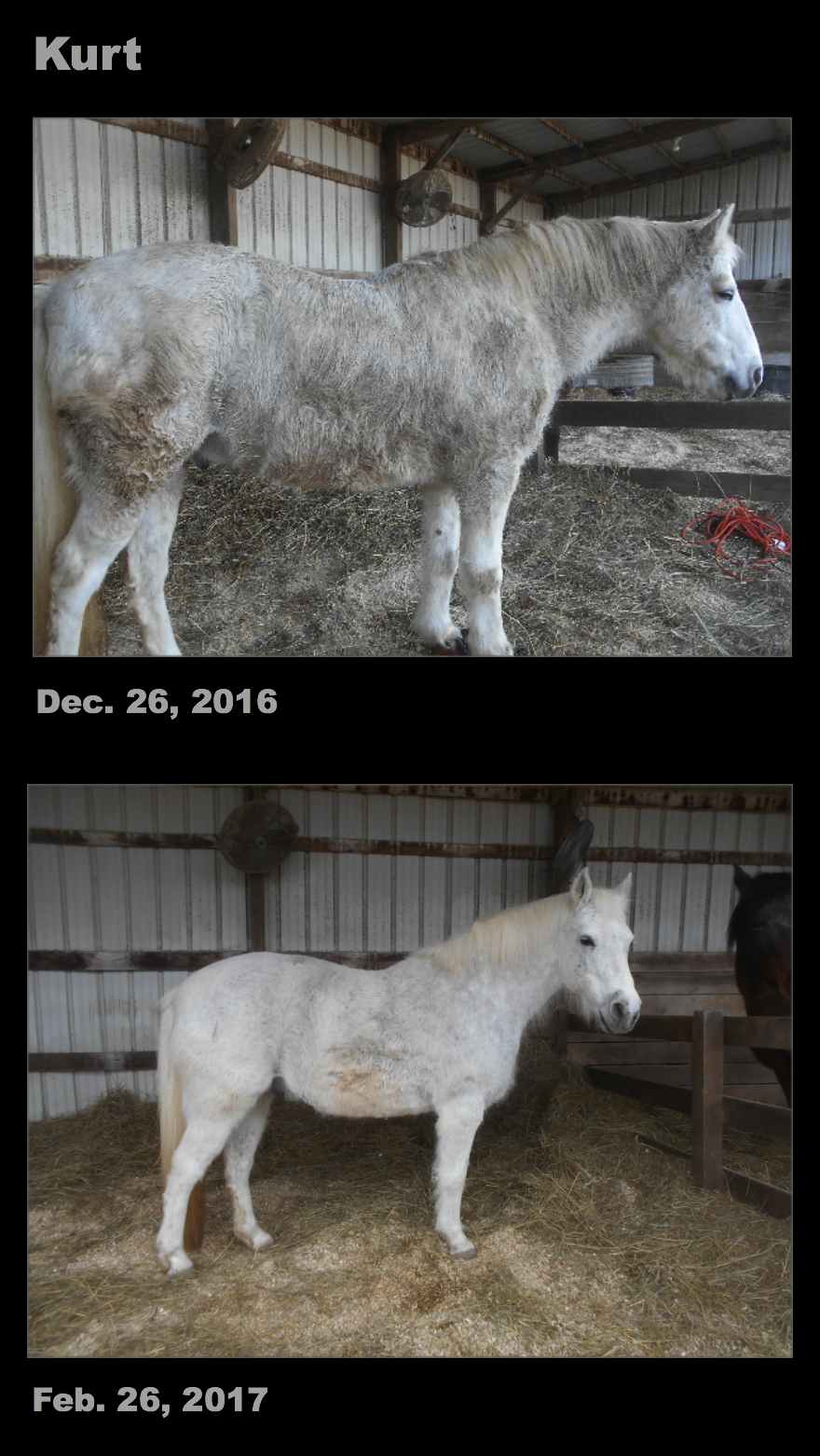
Iron overload symptoms in horses include coat changes of bleaching and red ends on dark manes and tails often hoof issues such as laminitis and abscessing.
Dietary iron is thought by some to contribute to the incidence of laminitis in horses with serum ferritin starting to be used as the measure of iron status.
It is estimated that 80 percent of all laminitis cases are due to endocrine dysfunction specifically excess insulin in the blood.
This study linked iron status to insulin resistance ir in horses.
Although laminitis occurs in the feet the underlying cause is often a disturbance elsewhere in the horse s body.
Some laminitis problems in horses may be caused by excessive iron intake it appears to have been published in 2006 that s the date the word document online was created though i m not sure.
Iron deficiency anemia is rare and too much iron can potentially lead to laminitis as well as create an imbalance with other minerals.
Uncommon contributors to ems and subsequent hyperinsulinemia are iron overload and ovarian abnormalities in some mares.
This can occur in equine metabolic syndrome ems and cushing s disorder ppid.