Systemic chemotherapy generally used for malignant carcinoma.
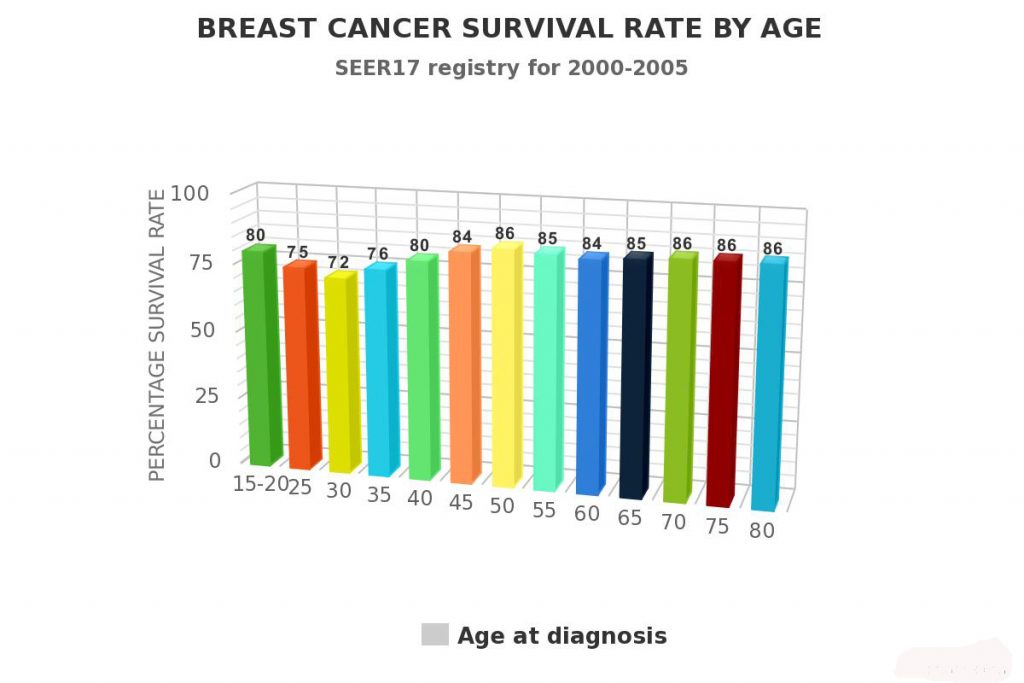
Invasive ductal breast cancer survival rate.
Invasive ductal carcinoma treatment listed below are the treatment modalities for invasive ductal carcinoma.
The general invasive ductal carcinoma survival rate is a helpful benchmark that provides physicians with a uniform way to describe and discuss patient outcomes.
Most common invasive breast cancers.
Invasive ductal carcinoma idc.
Idc is the most common form of breast cancer representing 80 percent of all breast cancer diagnoses.
Survival rates range from about 77 to 93 but on average the 5 year survival rate was estimated at about 90.
Triple negative breast cancer can have the same signs and symptoms as other common types of breast cancer.
Breast cancer survival data in this table are from people diagnosed on or after january 1 2018 who did not get neoadjuvant therapy.
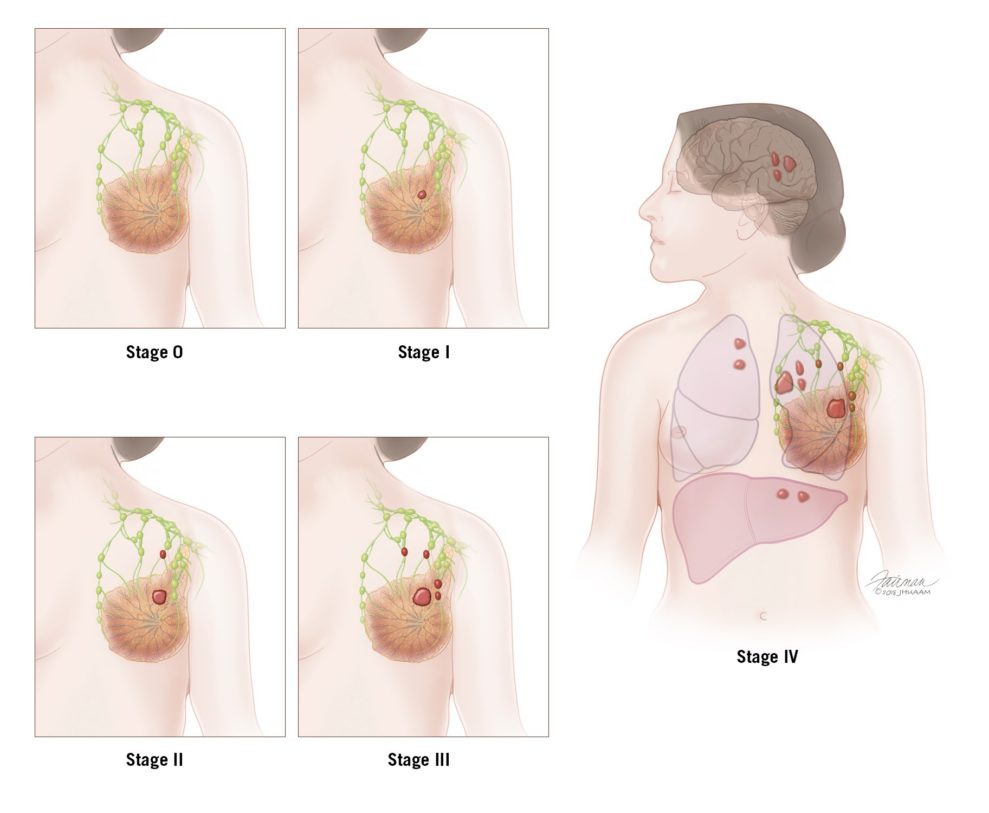
Metastatic breast cancer is not a specific type of breast cancer but rather the most advanced stage of breast cancer.
Signs and symptoms of triple negative breast cancer.
Stage 0 breast cancer ductal carcinoma in situ dcis is a non invasive cancer where abnormal cells have been found in the lining of the breast milk duct.
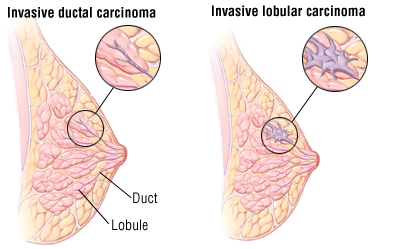
Two types account for about 90 of invasive breast cancer.
Triple negative breast cancer differs from other types of invasive breast cancer in that they grow and spread faster have limited treatment options and a worse prognosis outcome.
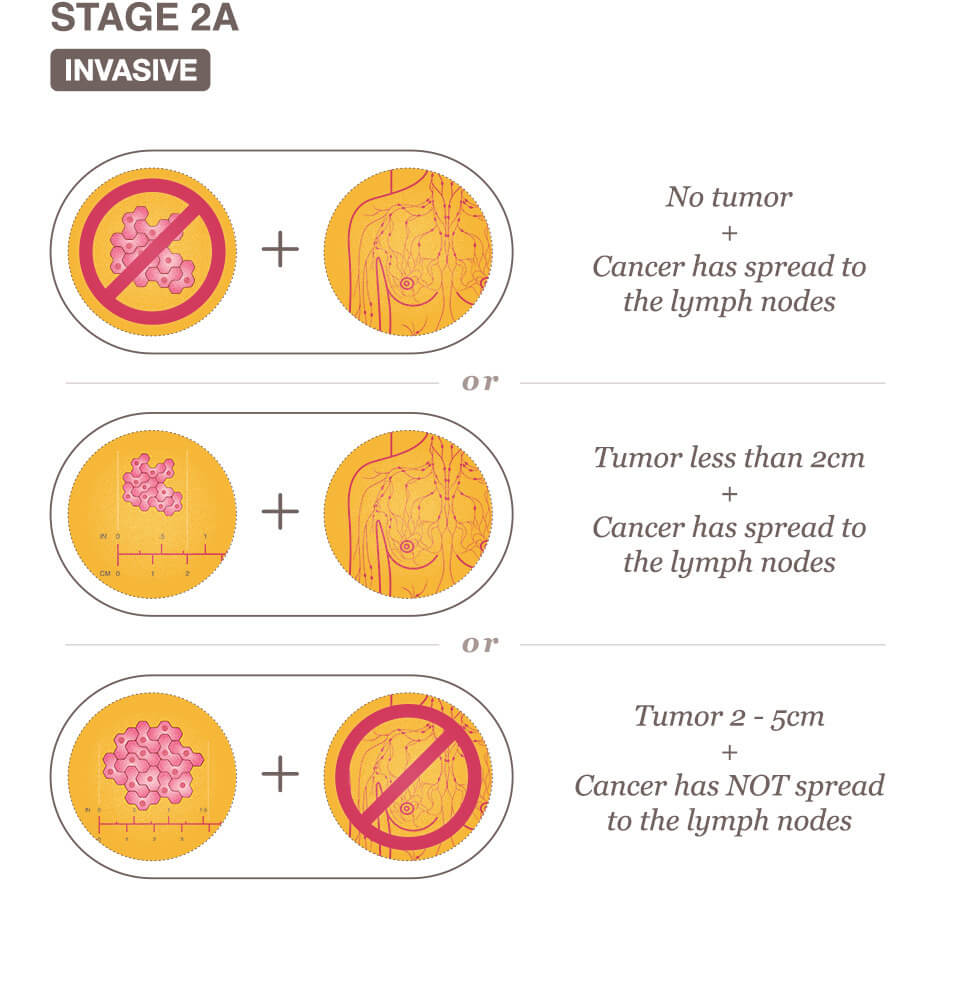
The prognosis depends on each patient s factors like tumor size histological considerations and biological factors.
Of course a survival rate is merely an average of the experiences of a large group of people that occurred several years ago.
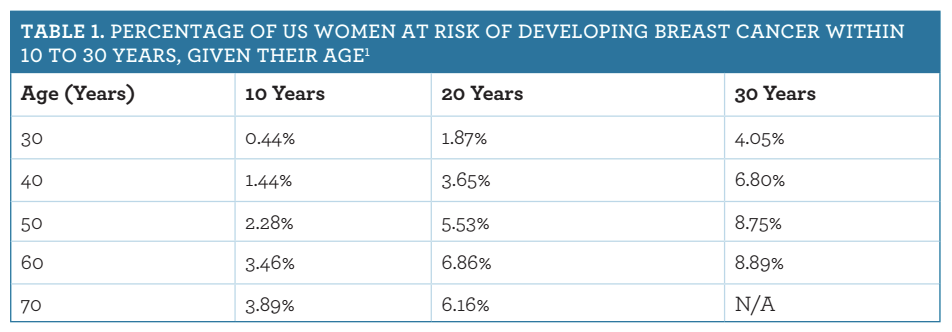
The outlook for breast cancer is often described in terms of 5 year survival rates.
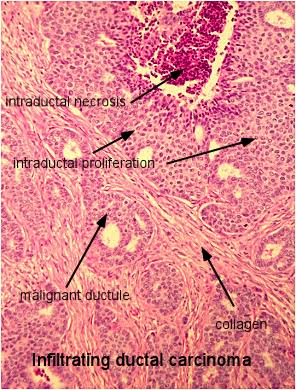
Invasive ductal carcinoma also called infiltrating ductal carcinoma begins in the milk ducts and is the most common invasive breast cancer.
Learn about treatment for metastatic breast cancer.
Invasive ductal carcinoma idc also known as infiltrating ductal carcinoma is cancer that began growing in a milk duct and has invaded the fibrous or fatty tissue of the breast outside of the duct.
The overall breast cancer survival rates for infiltrating lobular carcinoma when matched by stage are a little higher than for ductal carcinoma for the first 5 years.
Relative survival rates.
Prognosis and survival rate.
This is the most common type making up about 80.