They will soon learn on their own that banging their head on the floor doesn t feel good and doesn t get the reaction they want.
Infant bangs head on floor long lasting effects.
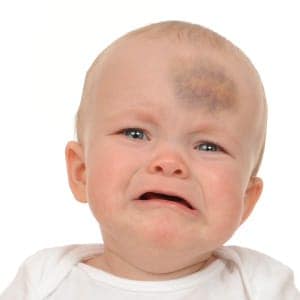
Keep in mind that even a minor head bump can cause a large swelling.
Up to 20 percent of babies and toddlers bang their head on purpose although boys are three times more likely to do it than girls.
We ll tell you what to look for after a.
When your sweet baby hits their head it can be emotionally traumatic for both of you.
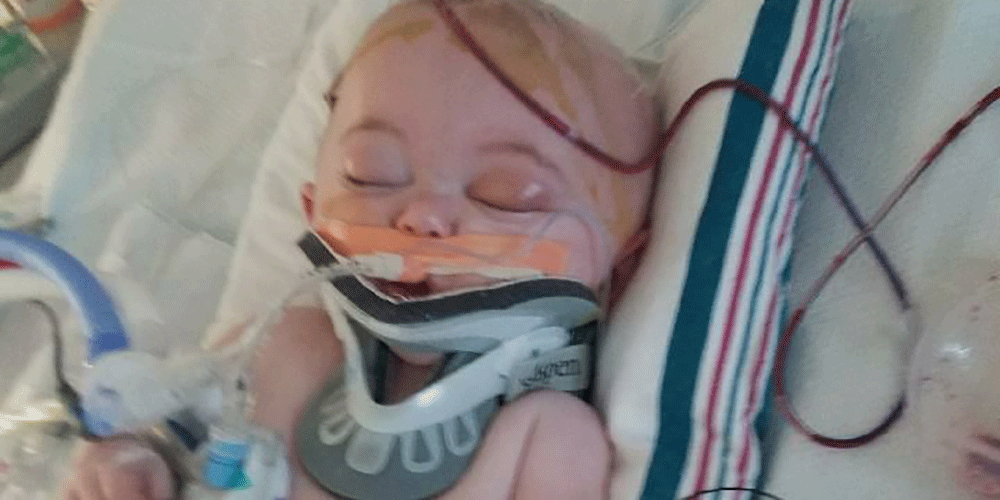
Babies are more vulnerable to serious head injury during a fall than had been previously thought according to new research that may also begin to help child abuse investigators distinguish between accidental and intentional injury.
But scientists are learning more about how even seemingly mild bangs to the head can have long term effects.
Last week researchers at the university of stirling reported that repeatedly heading a.
In the upright position the upper body may be rocked.
Fortunately household head injuries are rarely medically traumatic.
Whitaker investigator susan margulies of the university of pennsylvania found that rotational forces generated by a baby s head hitting a hard surface can cause.
My son is almost a year and a half old and has started to bang his head on the wall or the floor when he s mad or frustrated.
Head banging typically occurs with the child lying face down banging the head down into a pillow or mattress.
Even seemingly mild bangs to the head can have long term effects.
In the upright position the head is banged against the wall or headboard repeatedly.
We try not to react too much but we are shocked.
A fall at the playground a nasty bump on a table edge most children suffer a bang to the head at some point.
Body rocking is typically done with the entire body while on the hands and knees.
There were no signs of injury apart from her crying but since she couldn t tell me how she felt i was scared says the moncton nb mom i rushed her to the doctor.
If your baby s headbanging causes injury to themselves self injurious behavior increases in frequency or continues into school aged children it may be a symptom of a neurological or developmental disorder.
Head banging often starts in the second half of the first year and peaks between 18 and 24 months of age.

:max_bytes(150000):strip_icc()/SDIProductions-f7e8b8524c1b4d6aba7a36112f1f7e16.jpg)